The Quiet Strength Your Child Needs
AI GENERATED IMAGE
Every parent has watched their child freeze up before attempting something new. Maybe it’s raising their hand in class. Maybe it’s trying out for a sports team. Or simply believing they’re capable of learning something difficult.
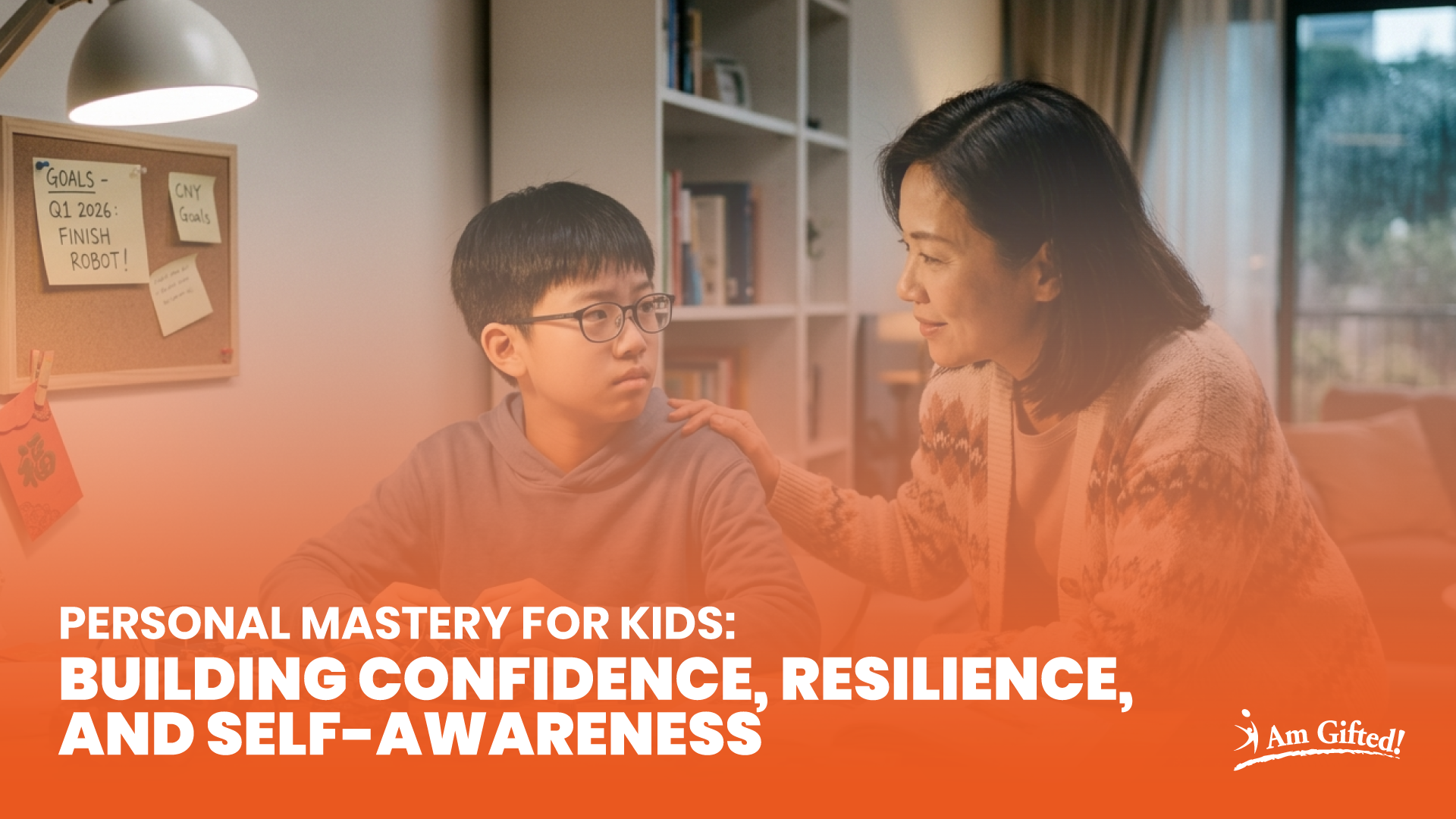
What separates the child who tries from the child who doesn’t isn’t innate talent. It’s personal mastery. It’s the combination of confidence, resilience and self-awareness that tells a child: I know who I am, I can handle challenges and I’m worth believing in.
In this first quarter of 2026, as your child settles into the new school year, personal mastery becomes increasingly important. The momentum from goal-setting can either fade or grow stronger with time, depending on how well your child understands themselves and handles the inevitable struggles ahead.
What Personal Mastery Actually Means

Personal Mastery is simple. It’s a child’s ability to understand themselves, face challenges without falling apart and keep moving forward even when things get difficult.
Singapore’s Ministry of Education recognizes three key components: self-awareness (understanding your feelings, thoughts, and values), confidence (trusting yourself to try), and resilience (bouncing back when things don’t go as planned).
Many children develop a narrow view of themselves based on grades alone. A child who scores well in math thinks they’re “smart.” A child who struggles thinks they’re “not smart.” They miss the fuller picture.
Real self-awareness is broader. It includes understanding your strengths and weaknesses, recognizing what triggers your emotions, knowing what energizes you versus drains you, and identifying what genuinely matters to you beyond achievement.
Building Authentic Confidence
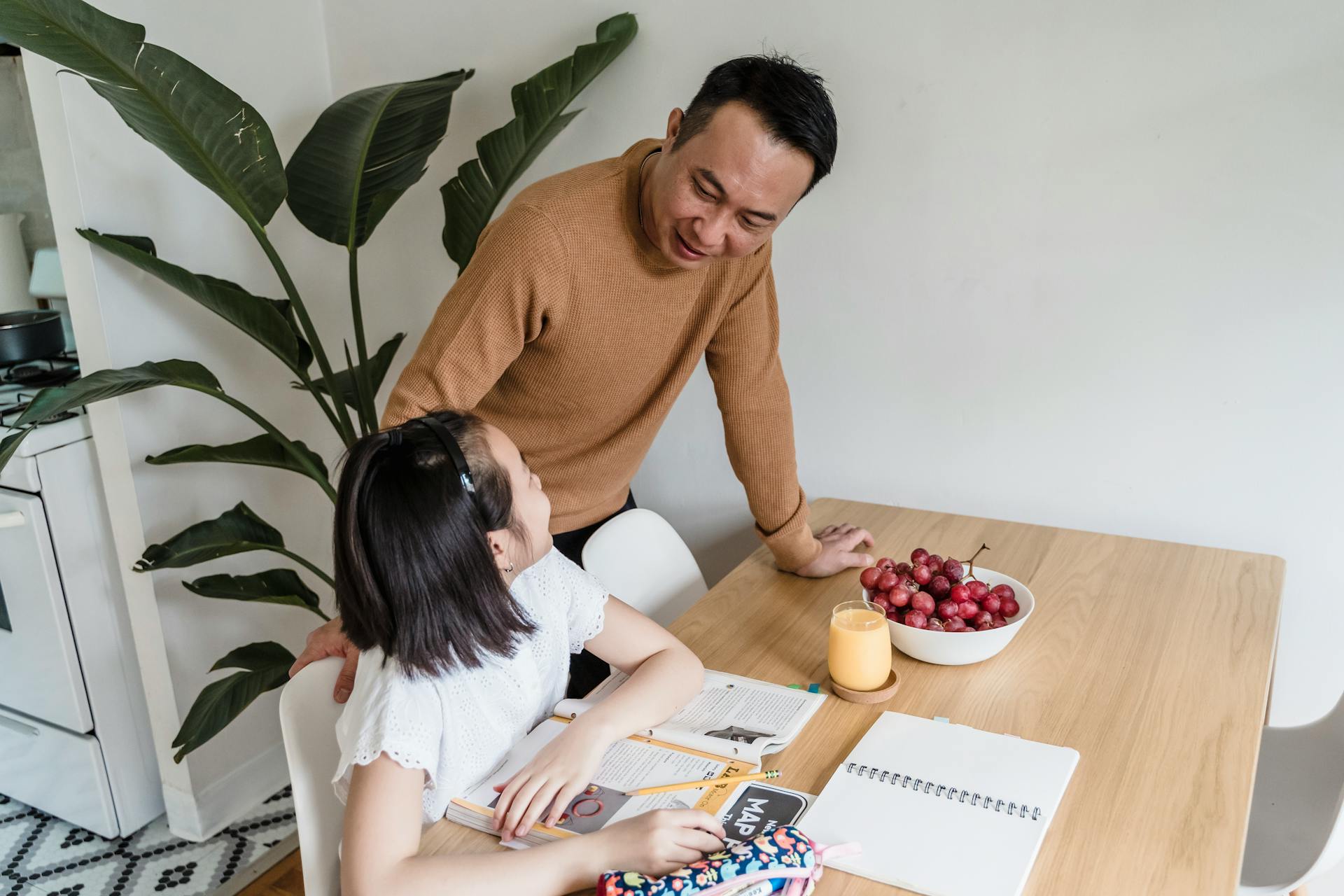
Here’s what most parents get wrong. Confidence isn’t built through constant praise. Real confidence comes from competence. It comes from trying something, struggling, improving and eventually mastering it.
Singapore’s schools have shifted toward praising effort and strategy instead of innate ability. Yet many homes haven’t caught up. Parents still praise outcomes (“You’re so smart!”) rather than process (“You tried three different strategies. That’s what makes you a good problem-solver”).
This actually undermines real confidence because children internalize the message that they need to be naturally talented to be worthy of approval.
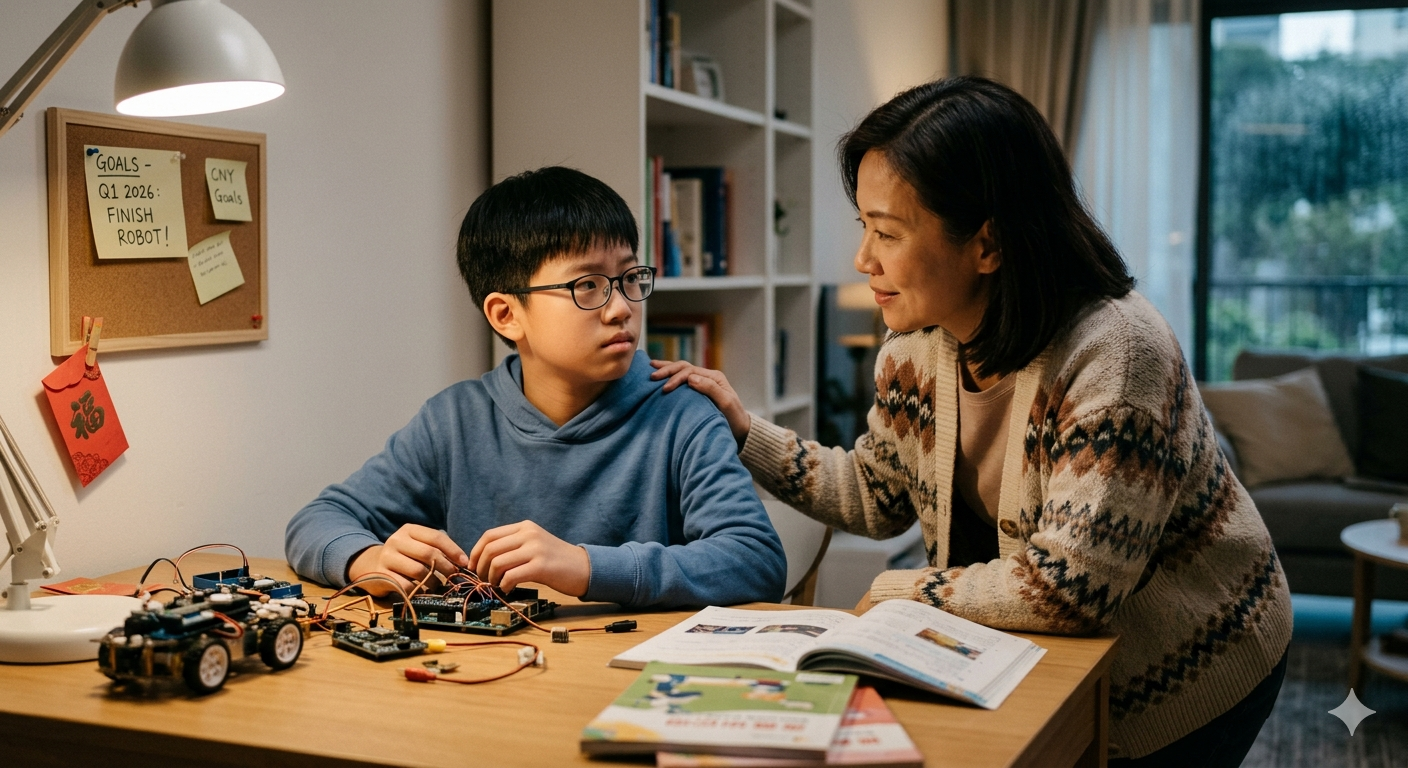
Instead, let your child struggle with appropriately challenging tasks. Step back when you’re tempted to help. The moment they solve something themselves, confidence grows in a way praise never can.
Help them notice their own progress. “At the start of the year you couldn’t do this. Now look at you.” That’s powerful.
Resilience: The Skill That Matters Most
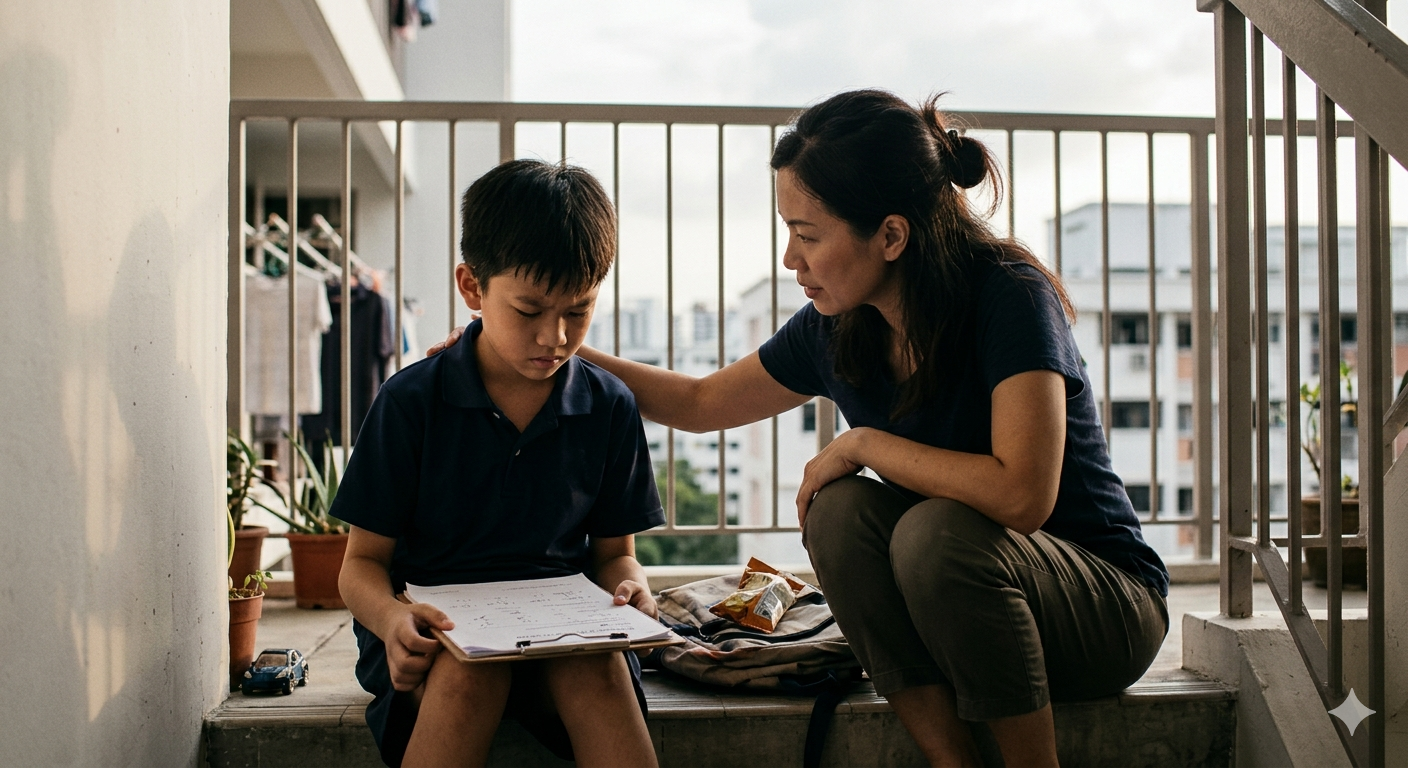
AI GENERATED IMAGE
In Singapore’s high-pressure education system, resilience is perhaps the most critical life skill. Resilient students see failure not as an endpoint but as an opportunity to learn.
But many Singapore children absorb a different message. A single bad test score feels catastrophic. A rejection feels like proof they’re not good enough. A difficult assignment feels like confirmation they’re not smart.
This happens at home too, when a child’s worth seems tied to performance.
Real resilience is built differently. Let your child experience age-appropriate failure. Don’t rescue them from every difficulty. Let them struggle with homework. Let them lose at a game. Let them experience consequences.
When they do fail, be their emotional anchor, not their problem-solver. “This is disappointing. You worked hard and it didn’t turn out how you hoped. That’s legitimate to feel sad about.” Then, once the emotion settles, help them think through what happened.
Model resilience yourself. Let your child see you face challenges and keep going. Talk about your own struggles. Children learn resilience more from watching you than from hearing about it.
Personal Mastery in Action
During this first quarter, help your child develop personal mastery through two simple activities.
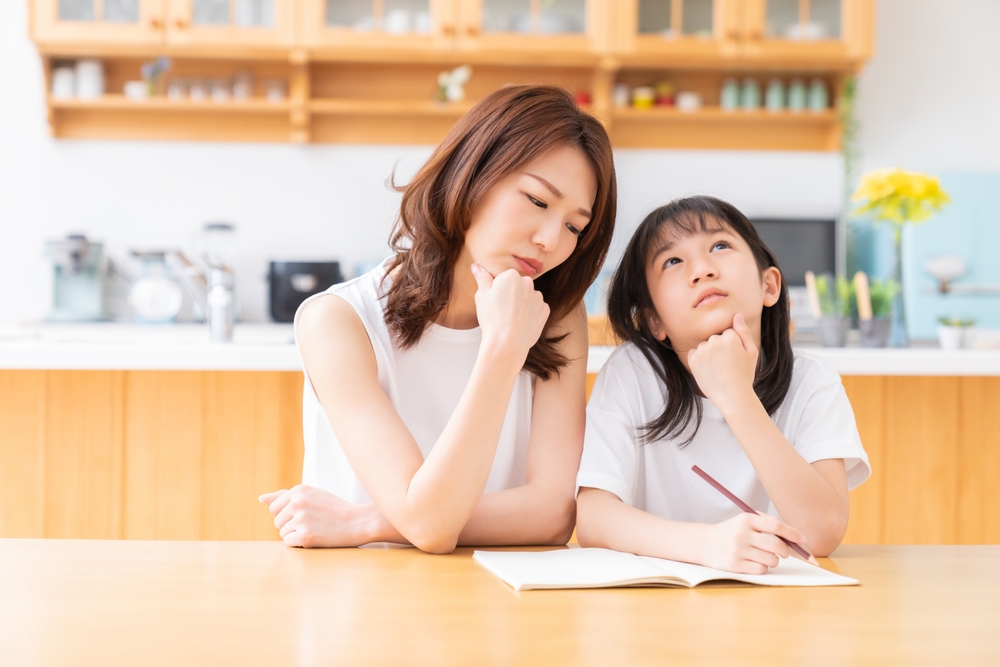
1. The Self-Awareness Conversation
Ask your child these questions. Listen more than you talk.
“What are you really good at? What comes naturally to you?”
“What do you find frustrating? When do you feel like giving up?”
“What activity makes you lose track of time?”
“When you face something difficult, how do you usually respond?”
“What matters to you beyond grades?”
Listen to their answers. These reveal how they see themselves. Mostly witness and affirm what they’re discovering.
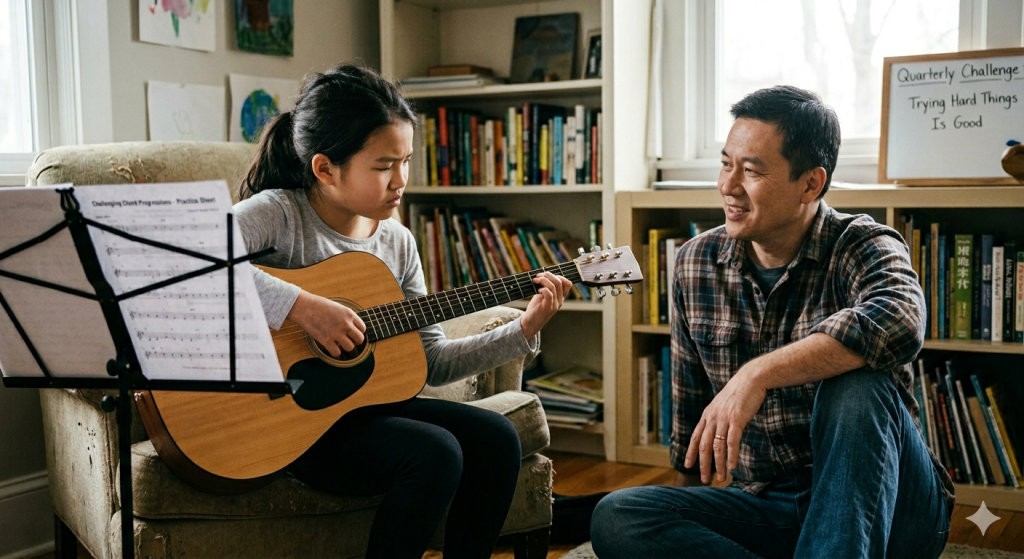
AI GENERATED IMAGE
2. New Examination Timetable and Structure
Suggest your child try something during this quarter that’s genuinely challenging. Not impossible, but actually difficult. Maybe trying out for something they’re nervous about. Maybe learning a new skill.
As they do it, celebrate the effort, not just the outcome. If they struggle, ask: “What do you think you could try differently?” Then let them succeed or fail on their own terms. Most importantly, help them see that they survived. That they didn’t fall apart. That they can handle hard things.
Extending Personal Mastery Development
Personal mastery isn’t built at home alone. Many parents find that structured programmes provide additional depth and acceleration.
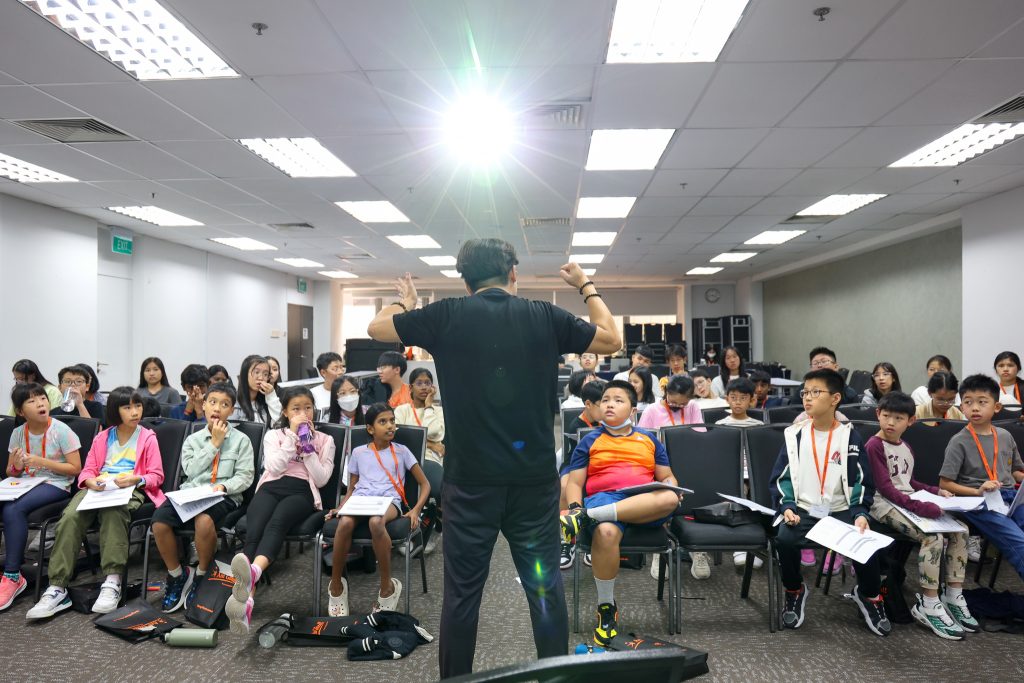
I Am Gifted!™ Foundation Programme (Ages 7 to 9)
For younger children just beginning their personal mastery journey, the Foundation Programme offers a carefully structured environment where children discover their strengths and practice facing challenges in supportive settings.
Through interactive activities guided by experienced educators, children develop skills across Personal Mastery, Learning Mastery, and Communication Mastery. This age group is at a critical juncture. The self-concepts they develop now shape how they approach challenges for years to come.
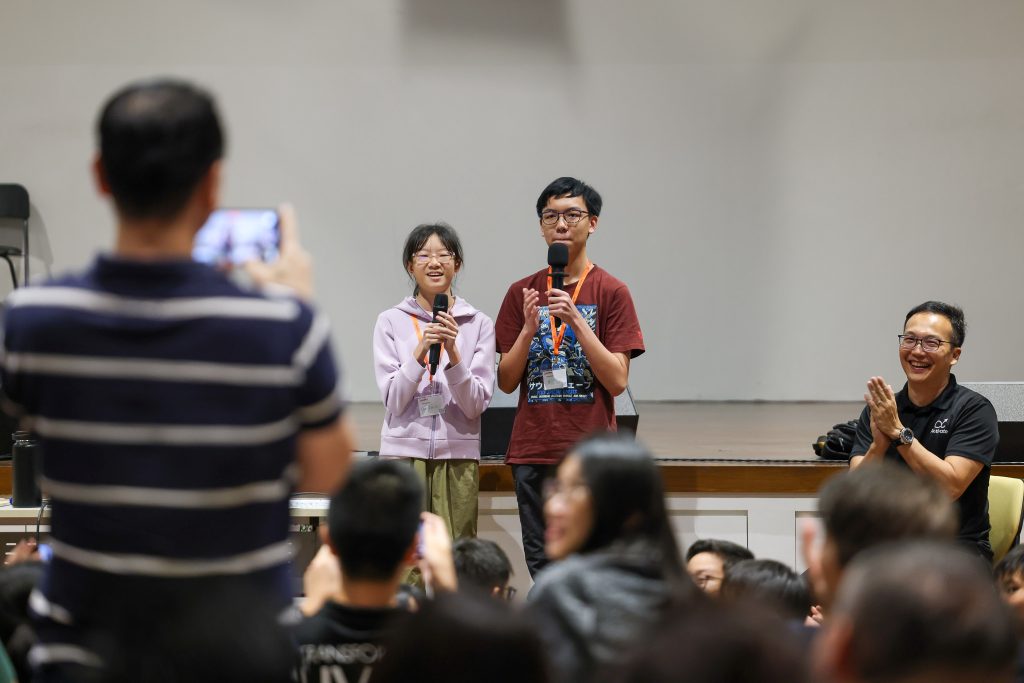
I Am Gifted!™ Flagship Programme (Ages 10 to 19)
As children enter upper primary and secondary school, personal mastery becomes more complex. They’re navigating peer relationships, increasing academic pressure, and identity formation.
The Flagship Programme takes personal mastery deeper. It addresses managing increased expectations, developing healthy self-image, building leadership skills, and discovering unique capabilities. For older children, personal mastery is about self-leadership and intentional choice-making.
Both programmes recognize that developing genuine personal mastery requires more than home support. Children benefit from peer interaction, experienced mentorship, and progressive challenges designed to systematically build these critical skills.
A Foundation for Life
The first quarter of 2026 is a perfect time to invest in your child’s personal mastery. After setting goals this quarter, your child now needs the internal foundation to reach them.
Don’t just check in on grades and achievements. Ask your child who they’re becoming. Listen to how they see themselves. Help them experience their own capability. Watch as real confidence and resilience take root.
That’s personal mastery. And it might be the most important skill your child develops this year.
Discover how I Am Gifted!™ can support your child’s journey. Explore the Foundation Programme for younger learners or the Flagship Programme for older students. Both are designed to help your child unlock the quiet strength that’s already within them.

If it is possible for others, it’s possible for you.
It is only a matter of strategy.
No matter what strategies you decide on, whether to pick up a relevant self-help book or attend a prestigious school holiday programme, remember that it all begins with your beliefs – how you see yourself and what you say to yourself every day.