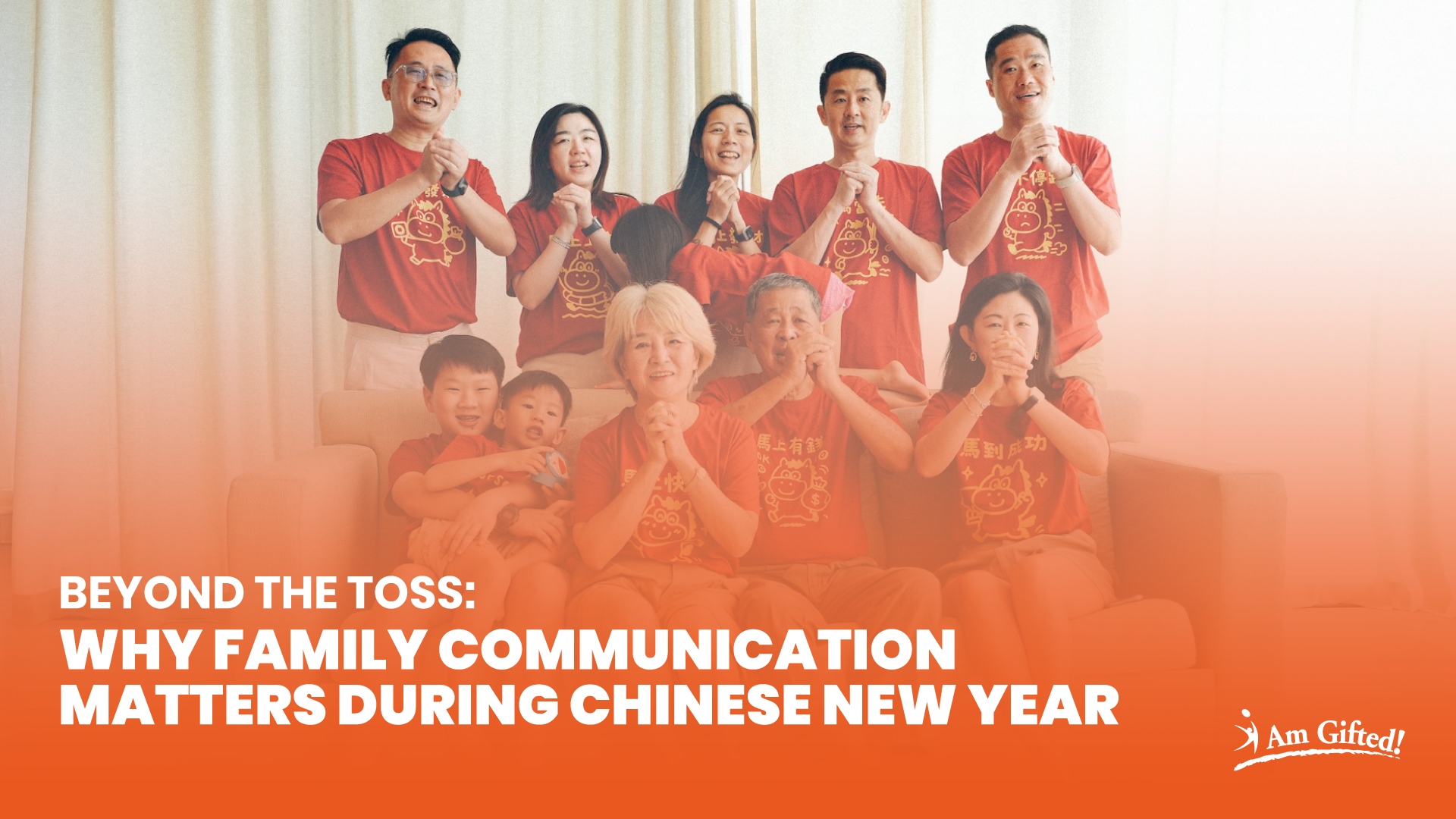
The Moment That Matters
On Chinese New Year’s Eve, our families stand around the dining table, chopsticks in hand. Someone tosses the yusheng high into the air. Everyone shouts in unison. The salad flies, lands, and suddenly everyone is laughing and reaching with chopsticks to grab pieces.
In Singapore’s multicultural landscape, this moment, whether it’s a Chinese family practicing tradition or families of other backgrounds embracing the celebration, represents something profound. It’s the deliberate choice to gather together and participate in something meaningful as a unit.
But here’s what many parents miss. That moment isn’t just about luck or tradition. It’s the beginning of a conversation about what your family values, what each person hopes for, and how you communicate what matters most to you.
Why Family Bonding in Singapore Matters More Than You Might Think
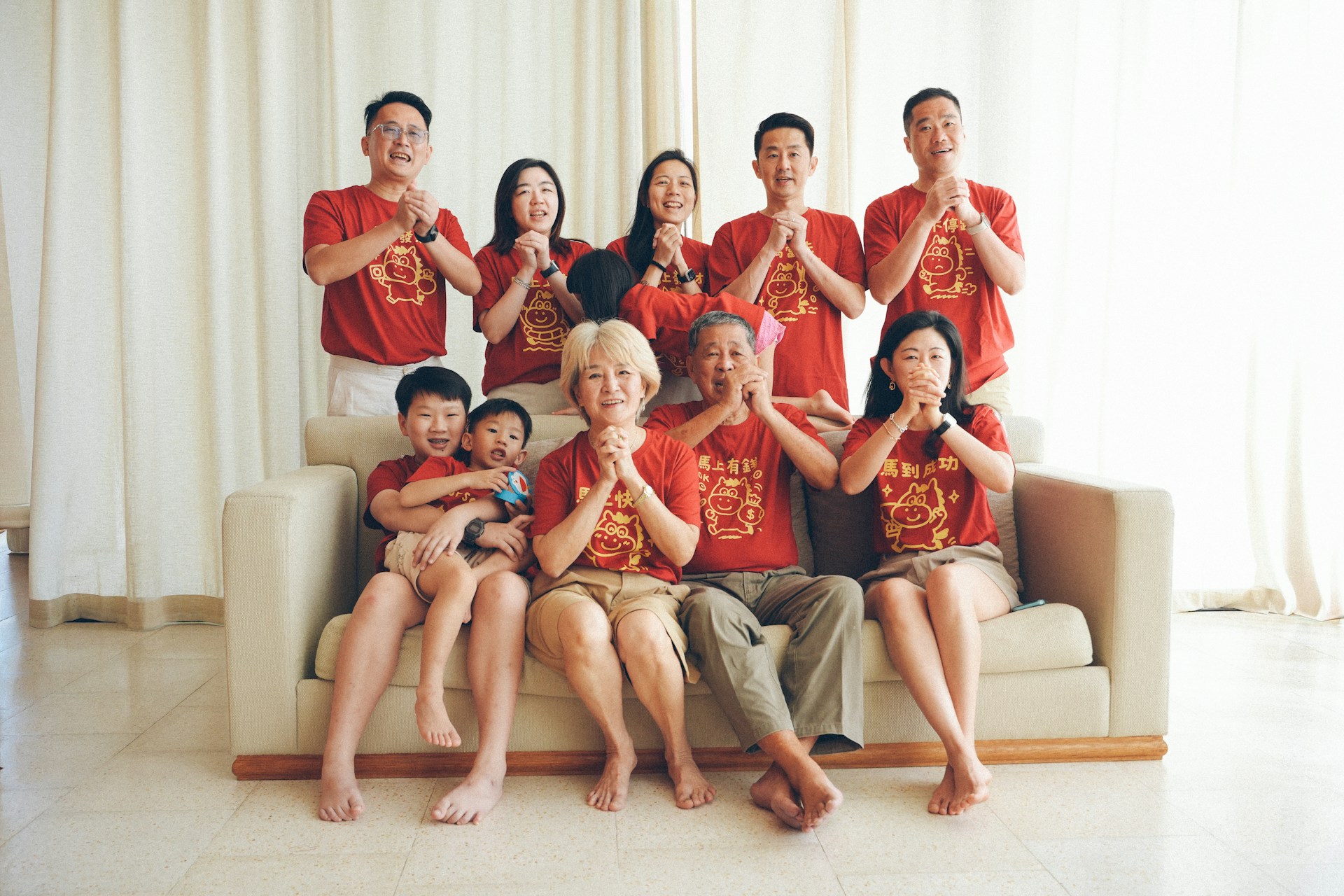
Singapore’s society is built on a core principle: the family is the fundamental unit of society. This isn’t just cultural nostalgia. It’s embedded in Singapore’s policy framework, from housing to healthcare to eldercare. The government’s model of supporting an aging population relies on families providing care and support to one another, a concept rooted in the traditional value of filial piety. That’s respect, duty, and care for parents across generations.
But in modern Singapore, this intergenerational responsibility isn’t about blind obedience. It’s about intentional love and communication. Today’s families navigate a unique challenge. They’re balancing honoring traditional values of family loyalty while adapting to a fast-paced, achievement-driven society where everyone is busy and often pulled in different directions.
This is precisely why intentional family time during celebrations like Chinese New Year becomes so crucial. It’s not nostalgia. It’s a necessity. It’s the deliberate creation of space where communication can happen, where what matters gets articulated, and where family bonds are strengthened through genuine connection.
What Communication Mastery Really Means
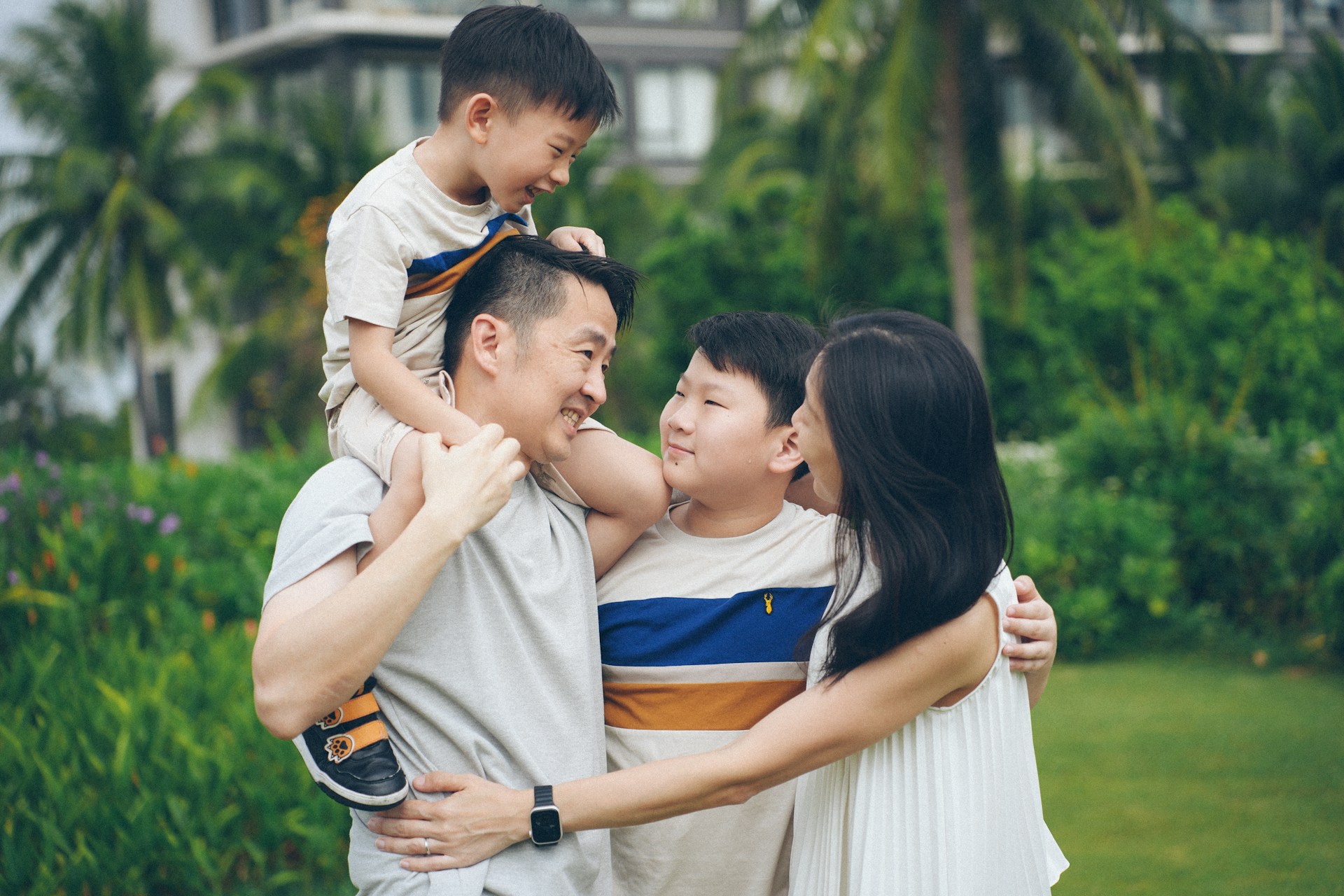
Communication Mastery isn’t about impressive speech or public speaking skills. It’s about three core abilities that actually matter in relationships and in life.
Expressing Yourself With Precision
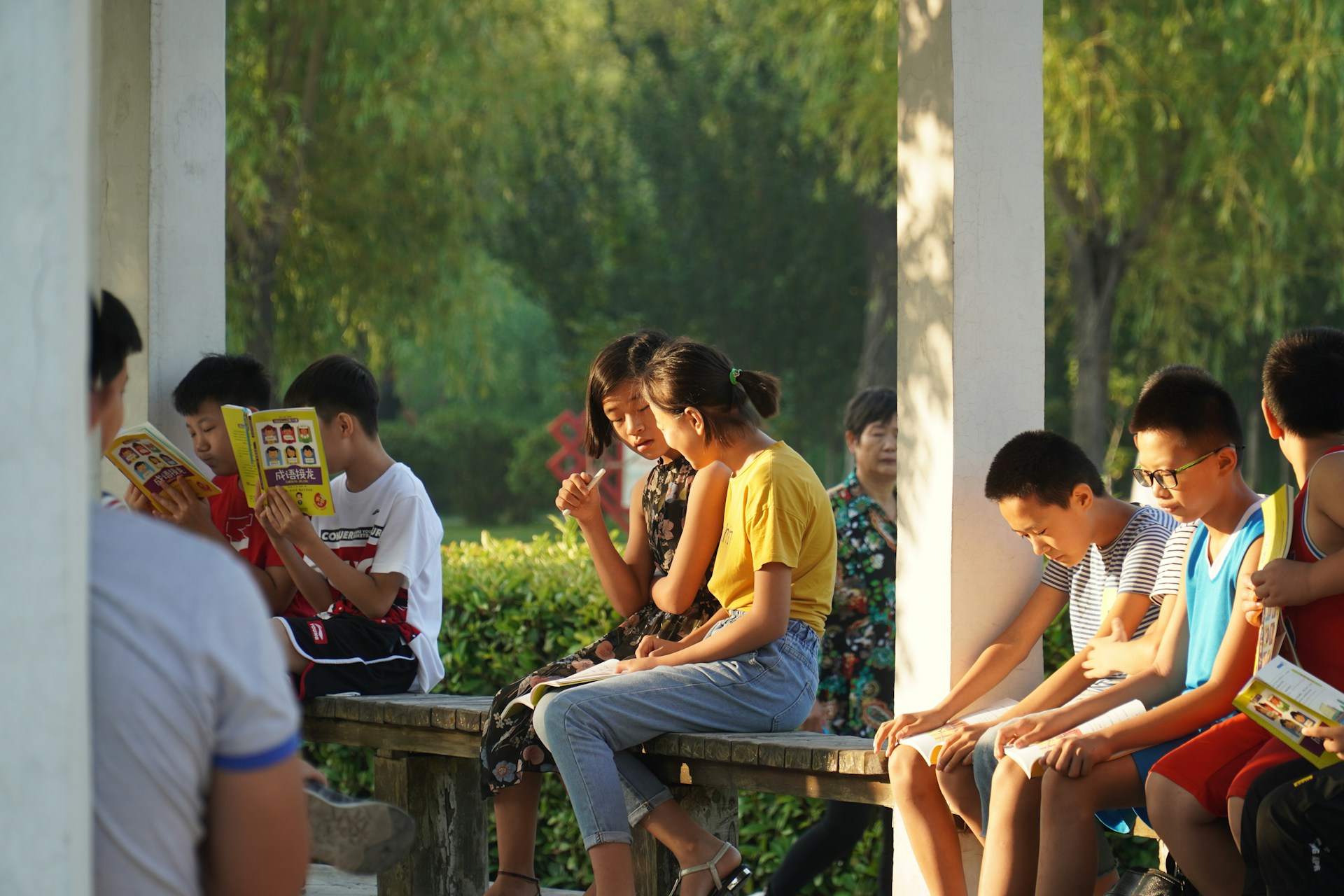
Many people speak constantly without actually communicating what matters. They say “I’m fine” when they’re overwhelmed. They nod along in agreement when they actually disagree. They keep feelings bottled up until they explode.
Teaching children precision in communication means helping them articulate specifically what they think, feel, and want. Instead of vague statements like “School is boring,” it means saying “I feel left out when my group doesn’t ask for my ideas.” Instead of “I’m angry,” it means identifying whether they’re frustrated, disappointed, or genuinely angry and expressing that difference.
For Singaporean children, especially those navigating a demanding education system, this skill is transformative. When a child can precisely tell their parent, “I need help understanding this concept, but I don’t want you to just give me the answer because I want to figure it out,” they’re practicing Communication Mastery. They’re also protecting their own learning and maintaining the relationship at the same time.
Expressing Gratitude Authentically
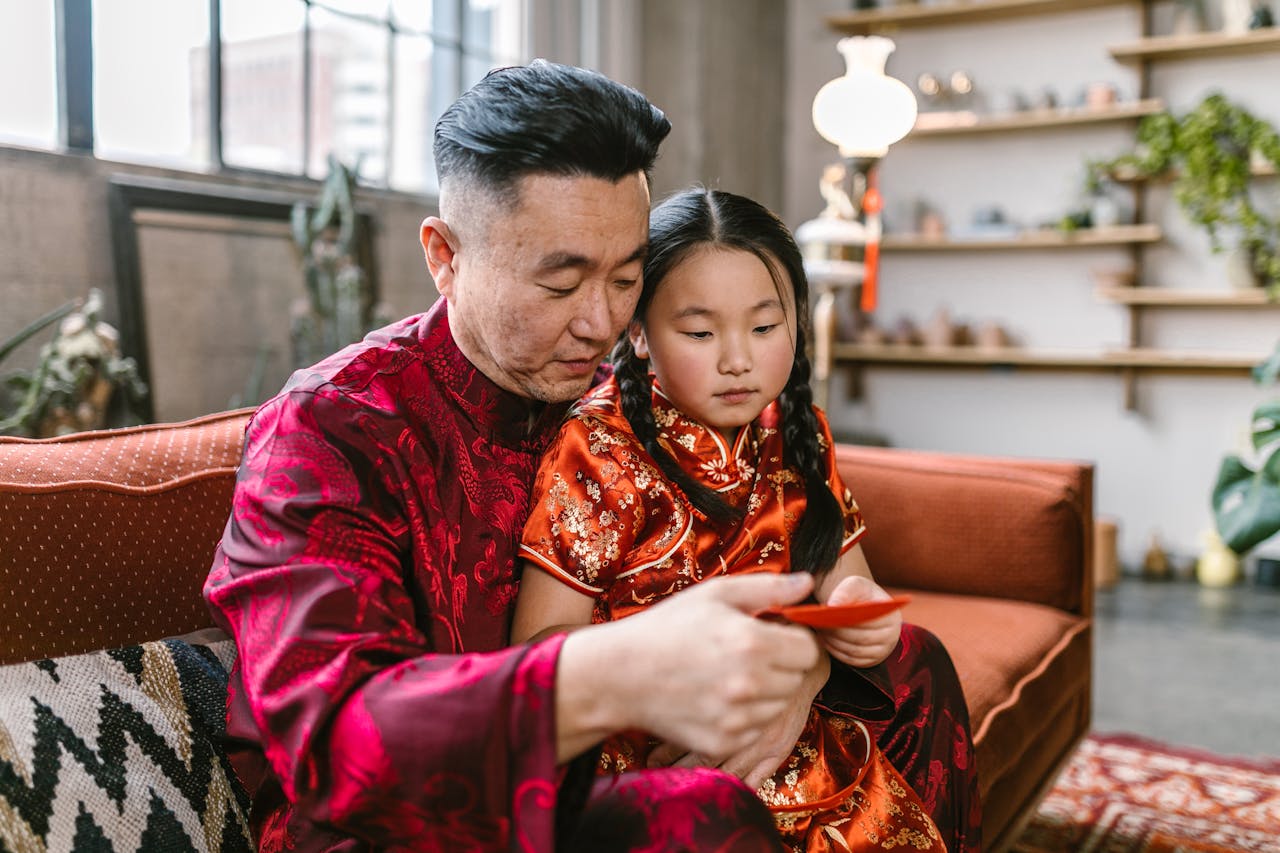
In traditional Singapore culture, filial piety often gets expressed through obligatory actions. Giving parents money, helping with household chores, or simply obeying without question. But genuine family bonding requires something more. It requires the articulation of what we actually appreciate about each other.
Authentic gratitude isn’t generic. “Thanks for everything” is nice, but it doesn’t change relationships. Specific gratitude does. “I appreciate that you ask me about my day even when you’re tired, because it makes me feel like you care about what I’m thinking.” That’s different. That’s real.
This specificity transforms gratitude from obligation to connection. Children learn that saying thank you with genuine detail strengthens relationships more than any monetary or material gift.
Loving Yourself While Appreciating Others

Image Source: www.freepik.com
In many Singapore families, there’s an unspoken message: work hard, achieve, and your family will be proud. What’s often missing is: “I’m proud of you simply for who you are, not just what you accomplish.”
Communication Mastery includes the ability to recognize your own worth, articulate your needs, and practice self-appreciation alongside appreciation for others. This might sound foreign in a culture that emphasizes humility and self-deprecation, but it’s actually essential to healthy development.
When children learn to say “I did well on this test and I’m proud of myself for studying consistently” without waiting for external validation, they develop intrinsic motivation and resilience that external praise can never provide.
At I Am Gifted!™, we recognize that Communication Mastery skills don’t develop by accident. They require practice in safe, supportive environments where children learn that their voice matters, that specific expression is valued, and that authentic connection is possible.
Our flagship 4-day programme helps children aged 10 and above develop skills across three key areas: Personal Mastery, Learning Mastery, and Communication Mastery. Through interactive activities guided by experienced educators, children practice expressing themselves precisely, learn to articulate what they’re grateful for, and develop healthy self-appreciation alongside genuine appreciation for others.
During school holidays, families can explore these skills in a structured, interactive environment designed specifically for Singaporean families navigating the balance between tradition and modern life.
This Chinese New Year, begin the conversation at your dinner table. The rest of the year will follow. And if you want to deepen those skills further, we’re here to support your child’s journey toward genuine Communication Mastery.
新年快乐! (Happy New Year!)

If it is possible for others, it’s possible for you.
It is only a matter of strategy.
No matter what strategies you decide on, whether to pick up a relevant self-help book or attend a prestigious school holiday programme, remember that it all begins with your beliefs – how you see yourself and what you say to yourself every day.